Decoding the IIN: Your Definitive Guide to Issuer Identification Numbers
Unlocking the Secrets of Your Payment Cards: What's an IIN Anyway?
Have you ever looked closely at the numbers on your credit or debit card? Most people just see a long string of digits, but as someone who spends a lot of time thinking about payment systems, I can tell you there's a whole lot of intelligence packed into those first few numbers. We're talking about something called an Issuer Identification Number (IIN), and it's a foundational component of modern financial transactions.
For a long time, the term Bank Identification Number (BIN) was more commonly used, and frankly, you'll still hear it quite a bit. But 'IIN' is the more technically accurate and widely accepted term today because it acknowledges that not all card issuers are traditional banks. Think about it: you've got credit unions, fintech companies, and even some non-bank entities issuing cards now. So, when I say IIN, just know I'm referring to that crucial identifier for the institution that issued your card.
What Exactly is an IIN and Why Does it Matter?
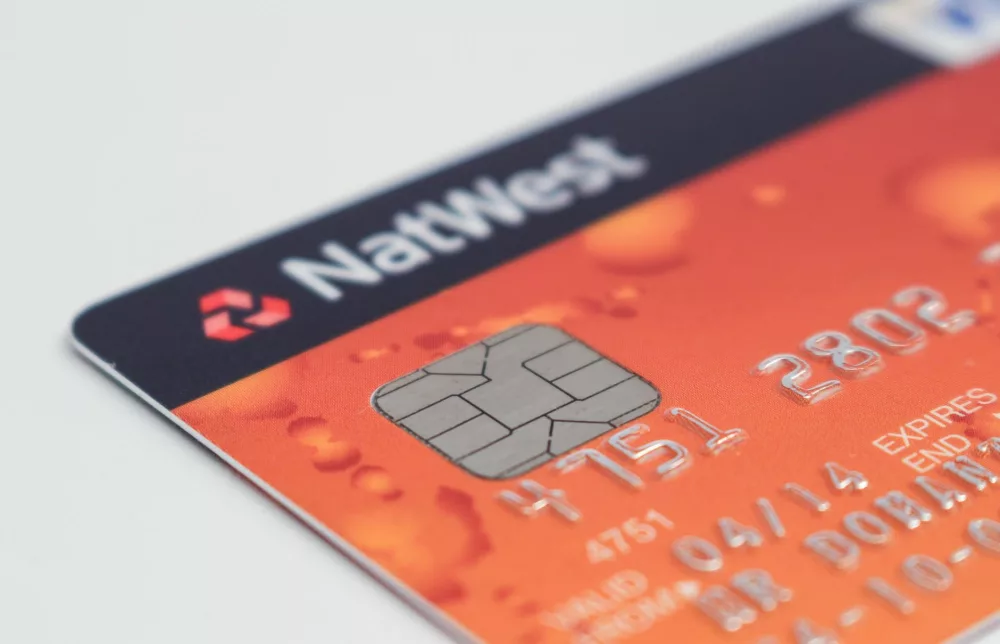
At its core, an IIN is the first few digits of a payment card number – usually the first six, though sometimes it can extend to eight or even more digits in certain contexts. These numbers aren't random; they're assigned by organizations like the International Organization for Standardization (ISO) to specific financial institutions or payment networks. The ISO/IEC 7812 standard is what governs this whole system, believe it or not.
I often tell people to think of the IIN as a kind of digital fingerprint for the card issuer. It tells payment processors, merchants, and other financial players exactly who issued the card. Why is this so important, you might ask? Well, it facilitates a whole host of critical functions in the payment ecosystem, from ensuring your transaction gets routed correctly to playing a vital role in preventing fraud. Without IINs, our global payment systems would be a chaotic mess, I'm convinced of that.
The Anatomy of a Card Number: Where the IIN Fits In
To truly appreciate the IIN, let's briefly break down the structure of a typical payment card number. It’s not just a random sequence; it's a meticulously organized identifier:
- The IIN (Issuer Identification Number): This is our star, the first 6 (or sometimes more) digits. It identifies the major industry (e.g., banking, airline) and then the specific card issuer.
- The Account Number: The digits following the IIN are your unique account number, assigned by the card issuer. This is what differentiates your card from everyone else's.
- The Check Digit: Usually the very last digit. This is a single digit calculated using an algorithm (often the Luhn algorithm) based on the preceding numbers. Its main job is to help detect simple errors during manual entry, like transpositions. It's a quick integrity check, which I find pretty neat.
When you swipe or tap your card, the payment terminal, the payment gateway, and the various networks all use these pieces of information. They don't just care that it's a
About Editorial Team
Senior columnist and culture critic specializing in architectural designs, emerging high-growth systems, and contemporary philosophies.
Contact Desk
Have an editorial inquiry or custom partnership idea? Reach our team directly.