
Just Energy: Navigating the Complexities of Retail Energy Provision
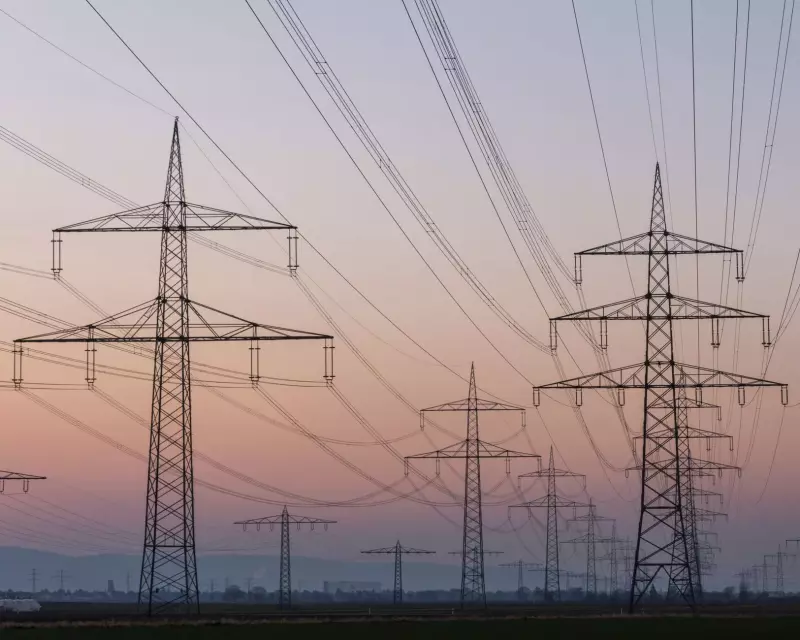
When we talk about the energy sector, our minds often jump to massive utilities or sprawling renewable farms. But there's a vital, often less understood, layer that brings that power and gas directly to homes and businesses: the retail energy provider. One name that frequently comes up in these discussions, particularly across North America, is Just Energy. I’ve observed their presence for quite some time, and it's clear they represent a fascinating case study in a competitive, regulated, and rapidly changing industry. They’ve been a significant player for a good while, weathering economic shifts and evolving consumer demands.
Understanding Just Energy's Place in the Market
So, what exactly does a retail energy provider like Just Energy do? At its core, Just Energy acts as an intermediary. They don't generate electricity or produce natural gas themselves. Instead, they purchase these commodities from wholesale markets and then resell them to residential and commercial customers. This model is common in deregulated energy markets, where consumers have the option to choose their energy supplier rather than being tied to the incumbent utility. The utility still maintains the physical infrastructure – the power lines, gas pipes, and meters – and handles delivery, emergency services, and billing if the customer chooses not to consolidate with their retail supplier. What a retail provider offers is choice, often with different pricing structures, contract terms, and sometimes value-added services.
A Look at Their Diverse Offerings
Just Energy isn't a one-trick pony; they’ve developed a portfolio designed to appeal to a broad customer base. We see them offering:
- Electricity Plans: Customers can typically pick from fixed-rate plans, where their price per kilowatt-hour remains constant for the contract duration, or variable-rate plans, which fluctuate with market conditions.
- Natural Gas Plans: Similar to electricity, they offer both fixed and variable options for natural gas supply.
- Green Energy Options: This is an area where I’ve seen increasing focus. Just Energy provides options for customers to offset their carbon footprint by purchasing renewable energy credits (RECs) or carbon offsets, supporting cleaner energy generation. It's an important offering in today's environmentally conscious world.
- Value-Added Services: Beyond the basic commodity, they’ve also ventured into smart thermostats, energy efficiency programs, and even home repair and maintenance plans. These aren't just add-ons; they help create a more comprehensive home services package.
The variety really does give consumers some flexibility, particularly when they’re trying to budget or align their energy use with their environmental values. It’s certainly not a simple purchase anymore; there are layers to consider.
The Business Model Unpacked: Opportunities and Hurdles
The retail energy business model is built on acquiring and retaining customers while managing the inherent volatility of wholesale energy prices. Just Energy’s strategy involves:
- Customer Acquisition: Historically, they've used various channels including door-to-door sales, telemarketing, online marketing, and partnerships. This is a critical, and often scrutinized, part of their operation.
- Hedging Strategies: To mitigate the risk of fluctuating wholesale prices, companies like Just Energy engage in hedging, buying energy in advance or using financial instruments to lock in costs. This is absolutely crucial for offering stable fixed-rate plans.
- Customer Service and Billing: Maintaining a positive customer experience is paramount for retention, as is providing clear and accurate billing.
“The deregulated energy market offers a paradox: immense choice for consumers, but also a complex landscape that demands clear communication and unwavering transparency from providers.”
I’ve witnessed that success in this sector hinges on a delicate balance between aggressive market penetration and transparent, ethical customer engagement. When that balance tips, challenges inevitably arise.
Navigating a Complex Landscape: Challenges and Evolution
Like many retail energy providers, Just Energy hasn't been immune to criticism and regulatory scrutiny. Concerns about sales practices, particularly involving variable-rate contracts and initial introductory rates, have cropped up over the years. This isn't unique to them; it's a systemic challenge across the entire deregulated energy landscape. It’s tough to educate every consumer thoroughly on the nuances of energy contracts, and sometimes, the onus has fallen on providers to improve clarity.
In response, I've seen companies like Just Energy work towards refining their sales techniques, enhancing customer disclosures, and investing in better customer support. Regulatory bodies continually push for greater transparency and consumer protection, shaping how these companies operate. It’s an ongoing conversation, one where providers must adapt or face significant consequences.
Furthermore, extreme weather events, like the Texas winter storm in 2021, have put immense pressure on retail energy providers. These events can cause wholesale prices to skyrocket, leaving providers with massive costs and, in some cases, leading to customer complaints about unexpectedly high bills, particularly for those on variable rates. This highlighted the inherent risks and the absolute necessity for robust risk management and transparent communication with customers during crises.
Looking Ahead: Strategy and Future Focus
Today, Just Energy, under new ownership and having undergone restructuring, seems intent on charting a more stable and sustainable course. My observations suggest a renewed focus on:
- Operational Efficiency: Streamlining processes and reducing costs to improve profitability.
- Customer Experience: Investing in better digital tools and customer service to build trust and loyalty. They know, as I do, that a happy customer is a sticky customer.
- Renewable Energy and Sustainability: Continuing to expand green energy offerings as consumer and regulatory demand for sustainable options grows. This isn't just a trend; it's a fundamental shift in the energy paradigm.
- Data Analytics: Using data to better understand customer needs, predict market trends, and optimize operations.
The energy market won't stop changing, and I think Just Energy understands that adaptation is key to survival. They’re competing not just on price, but also on reliability, transparency, and value-added services. The push towards smart homes, decentralized energy, and greater grid resilience will continue to create both hurdles and tremendous opportunities for companies operating in this space. It’s going to be interesting to watch their journey unfold.
About Editorial Team
Senior columnist and culture critic specializing in architectural designs, emerging high-growth systems, and contemporary philosophies.
Contact Desk
Have an editorial inquiry or custom partnership idea? Reach our team directly.